
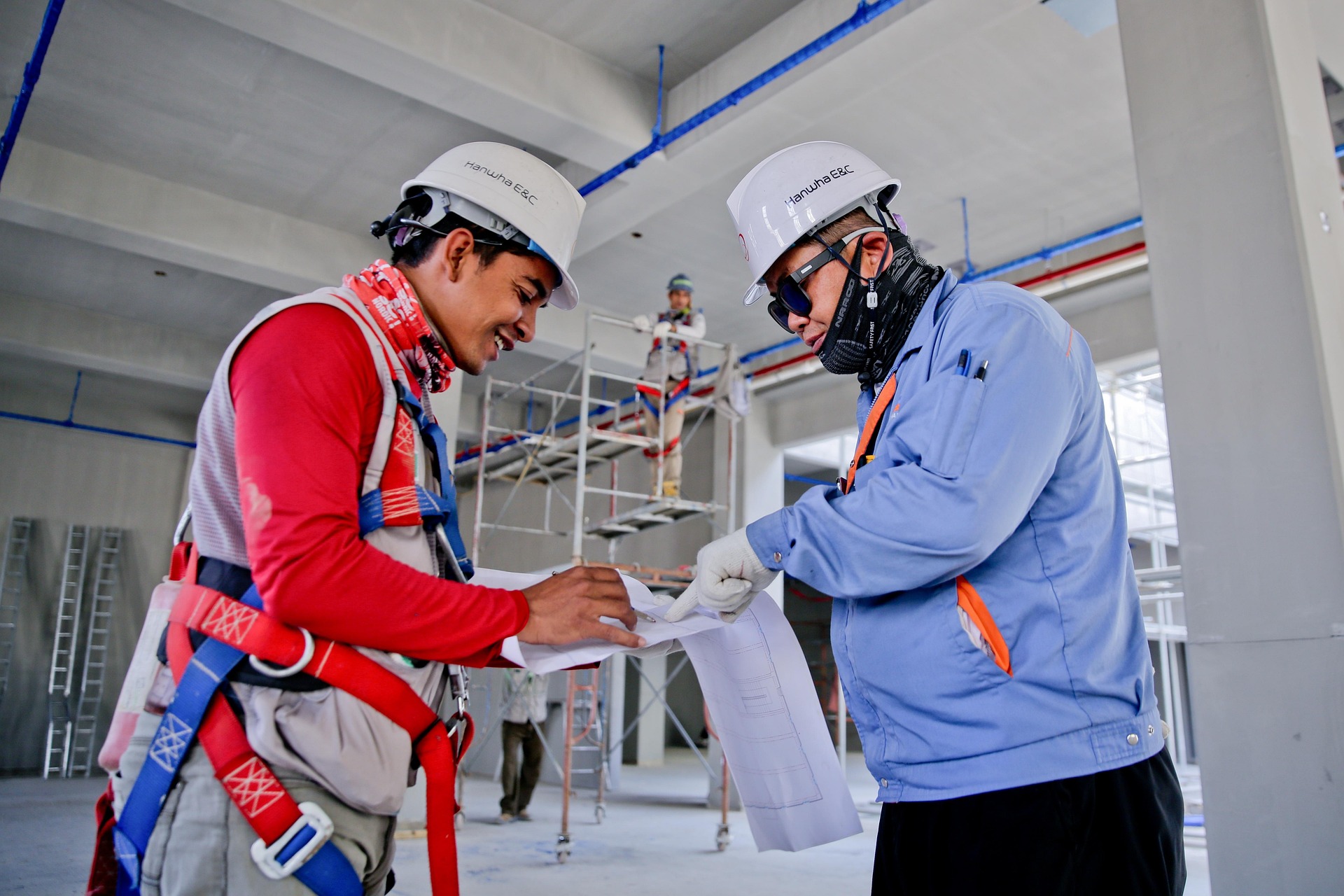
Why communication matters on construction projects
Construction projects involve far more than technical execution.
Every project depends on the ability of people to share information, coordinate decisions and remain aligned throughout the project lifecycle.
Site teams, subcontractors, project managers, designers, suppliers and clients all need access to the right information at the right time.
When communication breaks down, delays, misunderstandings and rework often follow.
The challenge is not simply communicating more. It is communicating better.
Construction communication in key figures
Several industry studies highlight the impact communication and information management can have on construction projects.
- Autodesk and FMI reported that 52% of global rework was caused by poor project data and communication.
- The same report estimated that poor data and miscommunication generated $31.3 billion in rework costs in the United States alone.
- McKinsey has repeatedly highlighted that construction productivity continues to lag behind many other industries, partly due to fragmented information flows and limited digital adoption.
- Research and industry guidance regularly identify communication failures among the common causes of project disputes, delays and coordination issues.
These figures show that communication is not simply an administrative task. It directly affects project performance, cost control and team coordination.
And while these studies often focus on larger projects, the same problems also affect small and medium-sized construction businesses.
Sources: Autodesk/FMI — Construction Disconnected, McKinsey — The Construction Productivity Imperative, Construction Industry Institute — Team Communications.
Client communication and project transparency
When people talk about construction communication, they often think first about coordination between professionals.
Yet client communication remains one of the most important parts of any project.
Whether the client is a homeowner, a commercial developer, a public authority or a corporate client, they all expect visibility into project progress.
Clients are not always present on site. They often only see part of what is happening. This creates natural questions:
- Is the project progressing as planned?
- Are there delays?
- What decisions require approval?
- What happened since the last update?
- What is the next step?
Providing regular updates, progress photos and documented decisions helps build trust while reducing repetitive questions.
Common communication challenges on construction projects
Many construction companies face similar communication issues.
- Information is spread across multiple channels.
- Several versions of the same document circulate at the same time.
- Important decisions are difficult to find later.
- Teams do not always know which document is the latest version.
- Clients frequently request project updates.
- Meeting notes are not always shared or consulted.
- Jobsite photos are stored in different conversations or folders.
Individually, these situations may seem minor. Combined, they create the conditions for misunderstandings, delays and rework.
Centralize project communication
Between messages, photos, documents, meeting notes and approvals, it quickly becomes difficult to keep a clear view of project information.
PIYA helps construction teams centralize communication, documents and photos so teams and clients can stay aligned.
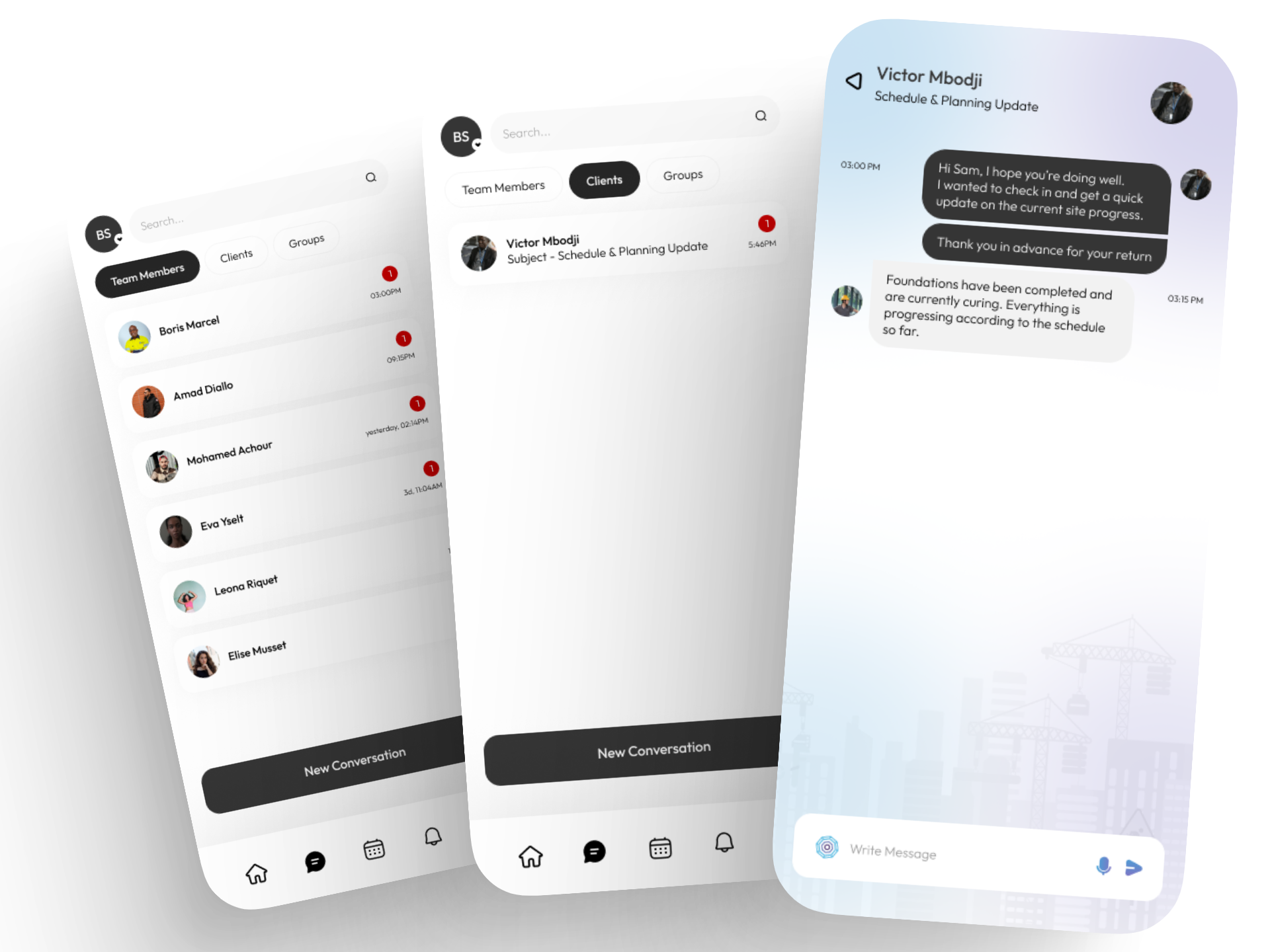
5 methods to improve communication on construction projects
Method 1: centralize project information
Documents, photos, meeting notes and project updates should be stored in a single environment whenever possible.
Centralization reduces information loss and allows stakeholders to quickly find what they need.
Method 2: define clear communication responsibilities
Every project should establish who is responsible for key communication flows.
- Who communicates with the client?
- Who validates decisions?
- Who shares progress updates?
- Who manages documentation?
- Who follows up after meetings?
Clear ownership reduces confusion and avoids duplicated efforts.
Method 3: formalize important decisions
Whenever a significant decision is made, it should be documented and accessible to relevant stakeholders.
This includes technical changes, material choices, schedule adjustments, budget decisions and client approvals.
Digital tools should support human interaction, not replace it
Digital tools provide tremendous value, but they should never replace human relationships.
Construction remains a people-driven industry. Clients still expect conversations. Teams still need collaboration. Complex decisions still require discussion.
The role of technology is not to eliminate communication. It is to remove administrative friction so that conversations can focus on what truly matters: decision-making, problem-solving, coordination and relationship building.
Technology should support communication, not replace it.
Share the right information at the right time
Photos, documents, meeting notes and approvals should be easy to find to avoid misunderstandings and wasted time.
With PIYA, key project information stays centralized and accessible to the right people.
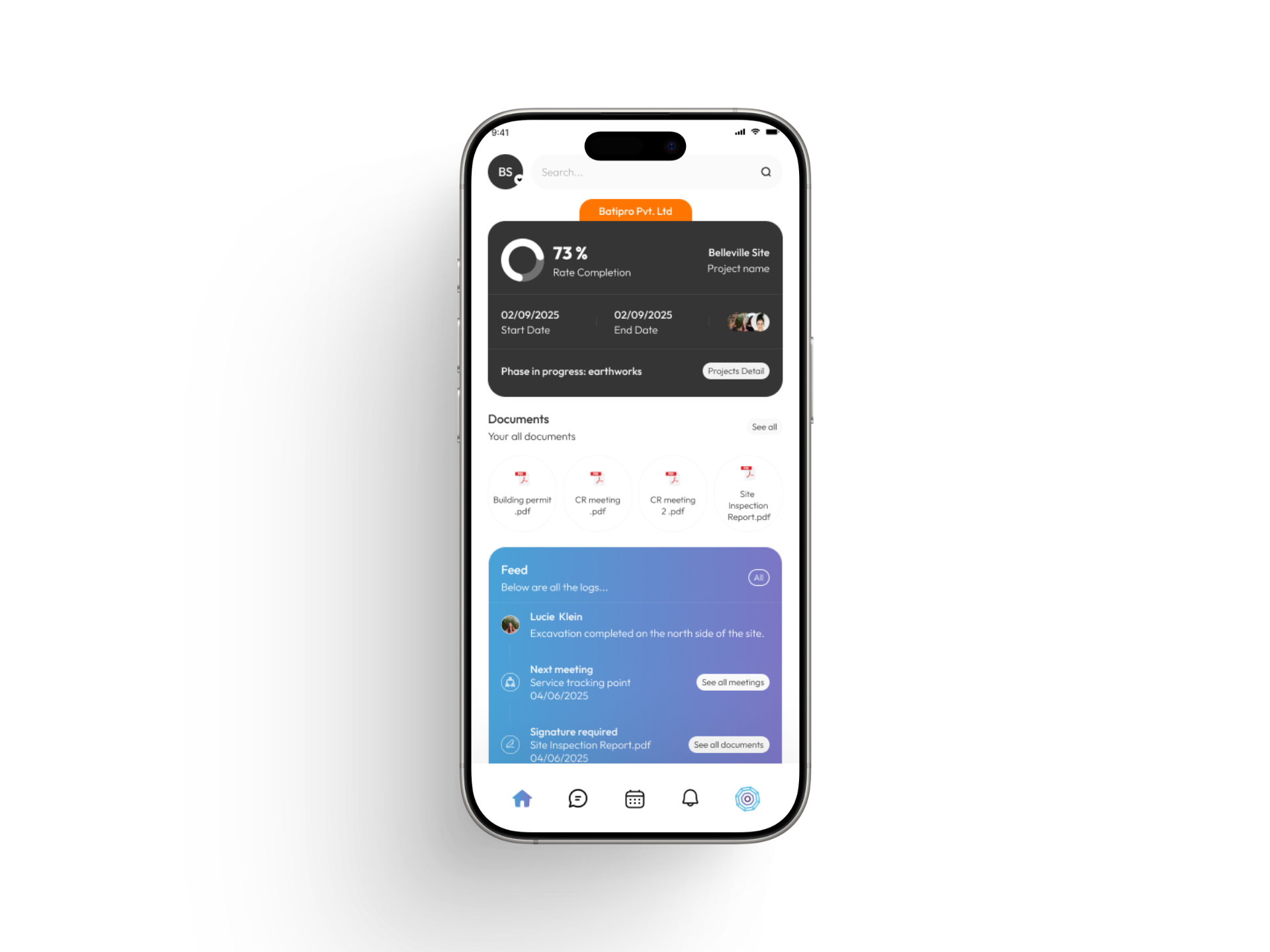
Method 4: share visual progress updates
Photos are often easier to understand than lengthy reports.
Regular visual updates allow stakeholders to quickly understand current site conditions, completed work, upcoming activities and potential issues.
Method 5: maintain a consistent communication rhythm
Communication should be predictable.
Examples include weekly project updates, monthly client reviews, scheduled coordination meetings or progress reports at key milestones.
Which tools should you use to improve construction communication?
Different communication tools serve different purposes. Each can be useful, but each also has limits when used alone.
| Solution | Limitations |
|---|---|
| Phone calls | Difficult to track and document. |
| SMS | Information becomes fragmented and lacks context. |
| History becomes difficult to manage across multiple projects. | |
| Can become fragmented across long discussion threads. | |
| Meetings only | Important information may be forgotten if not documented. |
| Piya | Centralizes communication, documents, photos, meetings and project progress. |
No tool is perfect. The goal is to reduce information fragmentation and make project information easier to access.
Conclusion
Successful construction projects depend on more than schedules and budgets.
They depend on people being able to access information, understand project status and make decisions efficiently.
The best communication systems are those that combine digital efficiency with human collaboration.
Give your teams and clients better visibility
PIYA helps centralize project progress, documents, photos and communication in one construction-focused app.
FAQ
Frequently Asked Questions
Why is communication important in construction projects?
Effective communication reduces misunderstandings, delays, rework and coordination issues while improving project transparency.
How can construction teams improve communication?
By centralizing information, documenting decisions, sharing regular updates and creating clear communication responsibilities.
Should digital tools replace meetings and phone calls?
No. Digital tools should support communication, not replace human interactions.
How do you keep clients informed during a construction project?
Through regular updates, progress photos, documented decisions and clear visibility into project milestones.
What is the best way to centralize project communication?
Using a shared platform where documents, photos, meeting notes and project updates are accessible to all authorized stakeholders.